How Machine Learning Algorithms Optimize Promotional Offers Based on Individual Betting Histories in Cross-Platform Environments
Freya Frank · Jul 12, 2026
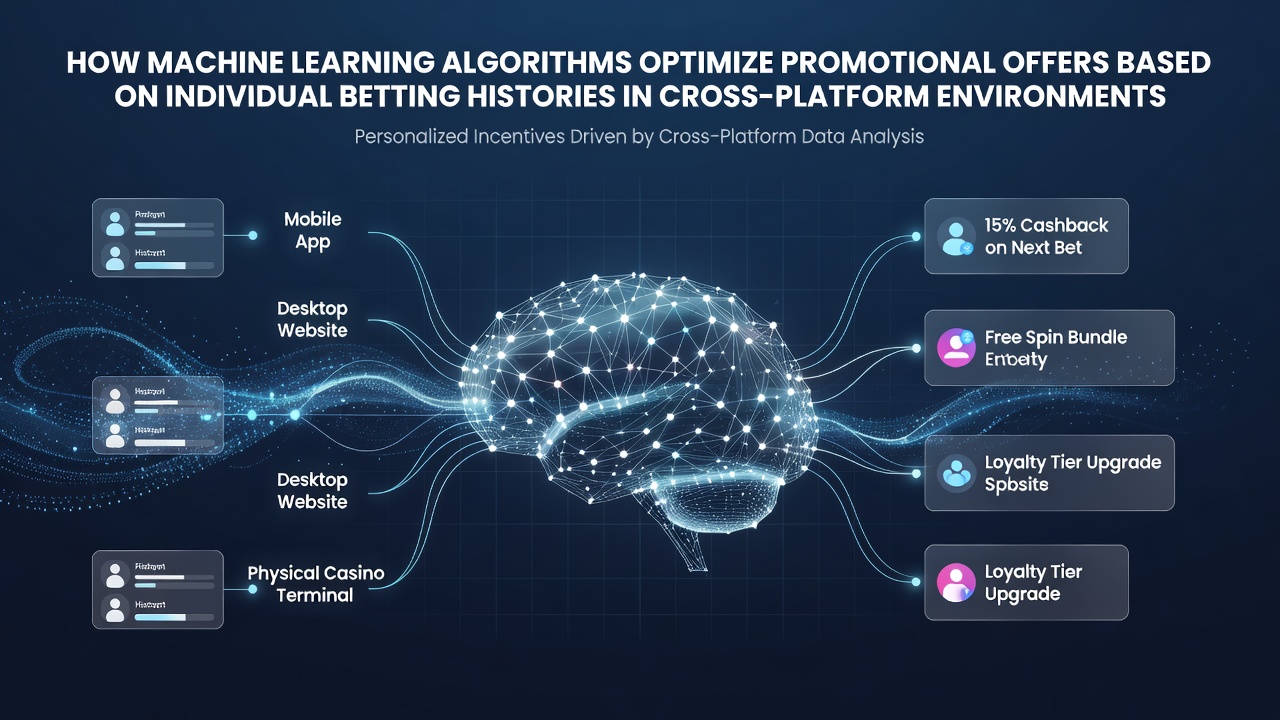
How Machine Learning Algorithms Optimize Promotional Offers Based on Individual Betting Histories in Cross-Platform Environments
Platforms in the wagering sector have turned to machine learning systems that process individual betting histories to shape promotional offers, and these systems operate across phones, tablets, and desktops where users move between sessions without interruption. Data points collected from past wagers, deposit patterns, and session durations feed into models that generate tailored bonuses or free bet suggestions while maintaining compliance with regional rules.
Data Collection Across Devices
Operators gather records that include stake sizes, preferred markets, and timing of activity, then link these records through device identifiers and account profiles so the same user appears consistent whether accessing from a mobile app or a desktop browser. Cross-platform environments require synchronization layers that merge logs in real time, which allows algorithms to detect shifts such as increased activity on weekends or after certain live events.
By July 2026 several major networks had expanded their data pipelines to handle simultaneous logins on multiple devices, a step that improved the accuracy of history-based targeting without creating duplicate user profiles. Researchers at institutions studying digital behavior note that unified datasets reduce noise in the training data and let models focus on genuine preference signals rather than device-specific artifacts.
Model Training and Feature Engineering
Supervised learning techniques often begin with labeled examples of past promotions and user responses, while unsupervised methods cluster users who share similar wagering sequences. Features such as average bet frequency, volatility tolerance, and response rates to previous offers become inputs that decision trees or neural networks weigh during scoring. Gradient boosting frameworks have gained traction because they handle mixed data types efficiently and produce interpretable importance rankings that compliance teams can review.
One study released by the Australian Gambling Research Centre examined how feature sets derived from multi-device logs improved prediction of offer redemption rates by 18 percent compared with single-device models. The work highlighted that including time-of-day variables and cross-device session continuity metrics added measurable lift without introducing bias when proper anonymization steps were applied.
Personalized Offer Generation
Once models assign scores, rule engines translate those scores into concrete offers such as deposit matches scaled to recent activity levels or risk-adjusted cashback percentages. Platforms test variations through controlled experiments that hold out portions of the user base, then compare uptake metrics to refine weighting in subsequent training cycles. This closed loop allows continuous adjustment as new betting histories arrive.
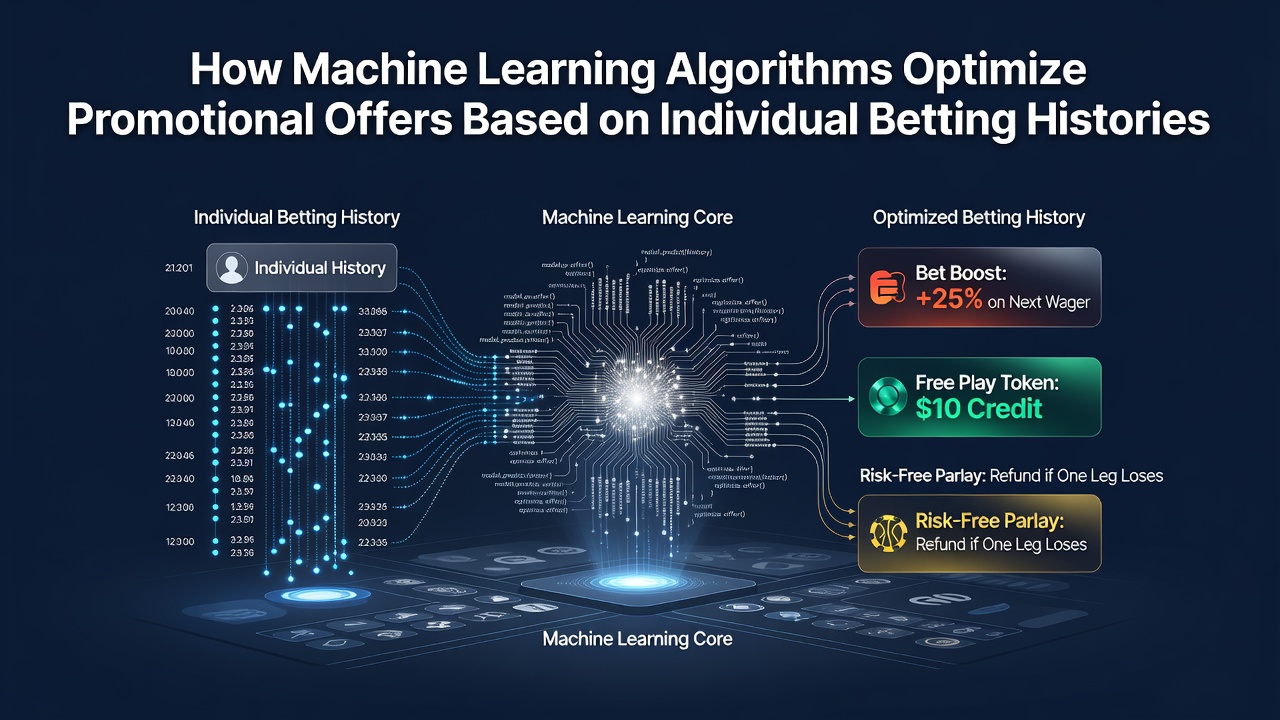
Systems also incorporate constraints from regulatory frameworks so that offers never exceed limits set for responsible gambling tools. In practice, the same model that predicts high engagement for a given user may simultaneously flag the need for spending caps if historical patterns indicate rapid escalation. European operators following guidance from the European Gaming and Betting Association have documented how such dual-objective optimization maintains both commercial performance and regulatory alignment across borders.
Challenges in Cross-Platform Implementation
Latency between device updates and model inference remains a technical hurdle, especially during peak event windows when millions of new data points arrive within minutes. Engineers address this through edge caching of recent features and periodic batch refreshes that keep global models current. Privacy regulations further require that data used for training stays within approved jurisdictions or undergoes additional aggregation steps.
Observers tracking industry adoption report that platforms investing in robust identity resolution layers see fewer instances of fragmented user histories, which in turn reduces erroneous offer delivery. Those same platforms often maintain audit trails that log every model decision back to the specific data points that triggered it, satisfying both internal governance and external review requirements.
Conclusion
Machine learning applications that draw on individual betting histories now form a core component of promotional strategy in cross-platform wagering environments. The combination of synchronized data pipelines, carefully engineered features, and constrained optimization routines enables operators to deliver relevant offers while meeting regulatory standards. Continued refinement of these systems will depend on advances in real-time processing and privacy-preserving techniques as user bases and device ecosystems keep expanding.