Inside the Algorithms: How Data Aggregation Influences Personalized Bonus Allocations on Betting Sites
Hugo Reed · Jun 2, 2026
Inside the Algorithms: How Data Aggregation Influences Personalized Bonus Allocations on Betting Sites
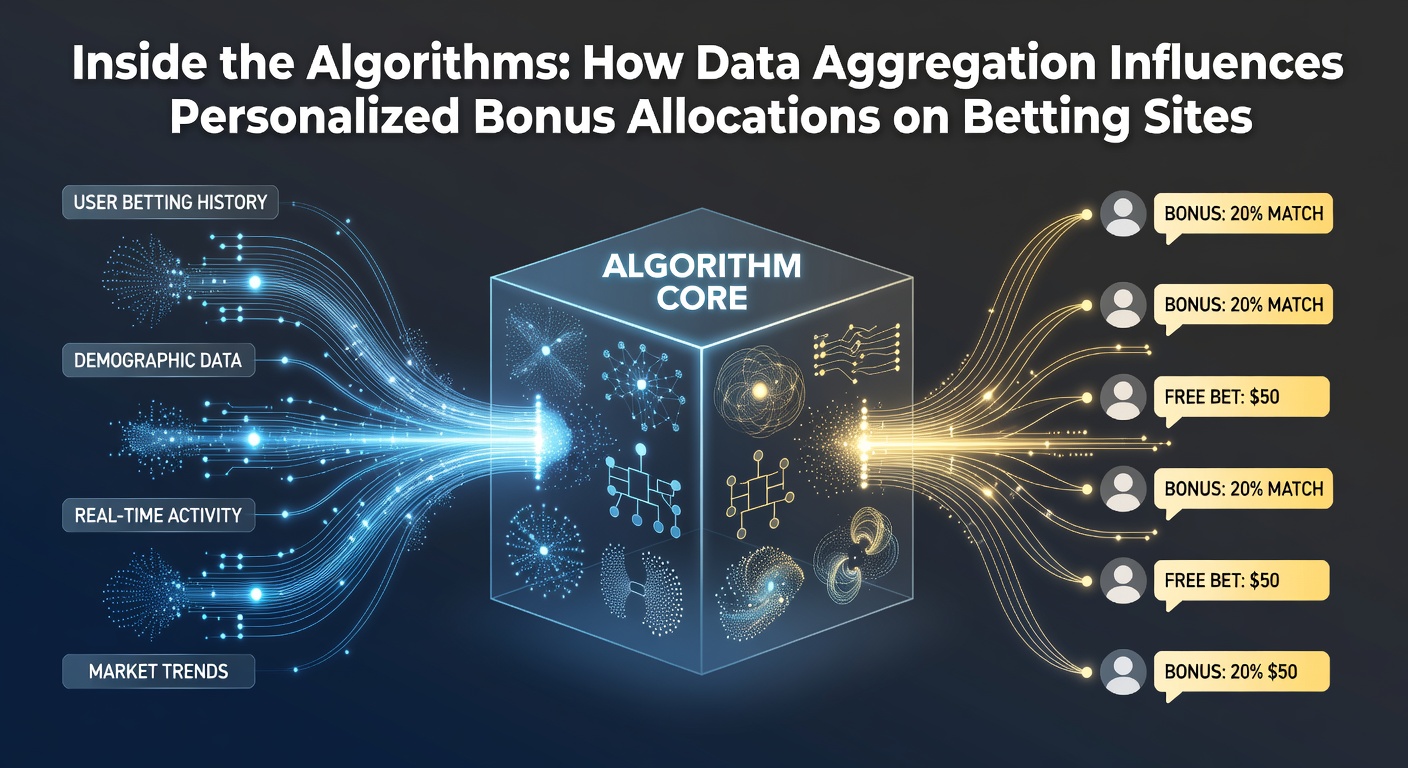
Betting platforms collect vast amounts of user information through registration details, transaction histories, and interaction logs, then feed this raw material into aggregation systems that shape individualized bonus offers. These systems combine behavioral patterns with demographic markers to determine eligibility and amounts for promotions such as deposit matches or free spins, creating allocations that differ sharply from one account to the next even when users place similar bets.
Data Inputs That Feed the Models
Operators gather signals ranging from login frequency and device types to average stake sizes and session durations, then merge these with external datasets purchased from analytics providers. In June 2026 several major platforms reported integrating real-time location data from mobile apps alongside historical performance metrics, allowing algorithms to adjust bonus values based on regional activity spikes during major sporting events. The aggregation layer normalizes these inputs into user profiles that algorithms query every time a new promotion cycle begins.
Studies from research institutions show that deposit velocity and withdrawal patterns carry heavy weight in the scoring process because they signal player retention likelihood. One academic paper published by a European university team examined how cross-referencing payment method usage with game preference data improved prediction accuracy for bonus uptake by roughly 18 percent across sampled accounts. Those profiles then receive tiered offers where high-frequency users see larger match percentages while infrequent visitors receive smaller incentives designed to encourage return visits.
Algorithmic Logic Behind Allocation Decisions
Once aggregated, the data passes through decision trees and machine learning classifiers that assign numerical scores to each profile. The models apply weighted rules that prioritize recent activity over older records, so a sudden increase in bet volume can trigger an immediate upgrade in bonus eligibility within the same week. Platforms test these models on historical cohorts before deployment, measuring uplift in deposit amounts and playtime against control groups that receive standard offers.
What's interesting is how the systems handle edge cases such as users who switch devices frequently or those who pause activity for weeks at a time. The algorithms treat these disruptions as signals that may lower the projected lifetime value, resulting in more conservative bonus amounts until consistent patterns re-emerge. Multiple operators have confirmed that such recalibrations occur automatically without manual intervention from marketing teams.
Regulatory Context and Transparency Measures
Authorities in various jurisdictions require operators to document how aggregated data influences promotional fairness, particularly when personalized offers could create uneven playing conditions. The Malta Gaming Authority publishes annual compliance summaries that track operator adherence to data-handling standards, while industry reports from the European Gaming and Betting Association highlight best practices for model auditing. Malta Gaming Authority compliance summaries note that platforms must maintain logs showing the data points used for each bonus decision, enabling regulators to verify that allocations do not violate responsible gaming guidelines.
Researchers at several North American institutions have analyzed public filings from licensed operators and found that transparency reports increasingly include sections on algorithmic bias testing. These documents reveal that companies run periodic reviews to ensure geographic and demographic variables do not produce unintended disparities in bonus distribution. The findings indicate that many platforms now employ third-party auditors to validate scoring fairness before rolling out new personalization features.

Real-World Implementation Patterns
Take one large European operator that segments users into clusters based on aggregated risk and engagement scores. Accounts falling into the top cluster receive weekly reload bonuses calculated as a percentage of prior-week deposits, while lower clusters receive fixed-amount offers tied to specific game categories. The system updates cluster assignments nightly using fresh data pulls, so a player who increases activity can move tiers within days rather than waiting for monthly reviews.
Another case involves North American sportsbooks that tie bonus size to aggregated parlay participation rates. Users who frequently build multi-leg bets see promotional credits scaled to their historical success rate, creating offers that reward demonstrated engagement rather than simple deposit volume. Observers note that these dynamic allocations help operators manage liability while still providing incentives that feel tailored to individual habits.
Impact on User Experience and Platform Economics
Because allocations now respond directly to aggregated signals, many users encounter offers that align closely with their demonstrated preferences, such as larger free-bet credits for those who favor live in-play markets. Platform revenue models benefit from higher conversion rates on these targeted promotions, since the data shows improved uptake compared with generic campaigns. Yet the same systems also flag accounts showing signs of excessive play, triggering smaller or delayed bonuses that align with responsible gaming protocols.
Industry organizations tracking global trends report that personalization driven by aggregation has become standard across major markets by mid-2026. The shift requires continuous model retraining to account for changing user behaviors and regulatory updates, keeping technical teams focused on maintaining both accuracy and compliance in equal measure.
Conclusion
Data aggregation underpins the personalized bonus systems that now dominate betting platforms, turning individual activity streams into scored profiles that determine promotional value. Regulatory bodies and research groups continue to examine these processes to ensure fairness and accountability remain central to their operation. As platforms refine their models through ongoing testing and external audits, the connection between aggregated inputs and bonus outputs will likely grow more precise while staying subject to oversight frameworks already in place across multiple regions.