Player Tracking Technology's Role in Refining In-Game Prop Bet Options Across Major Basketball Leagues
Paul Butler · Jul 10, 2026
Player Tracking Technology's Role in Refining In-Game Prop Bet Options Across Major Basketball Leagues
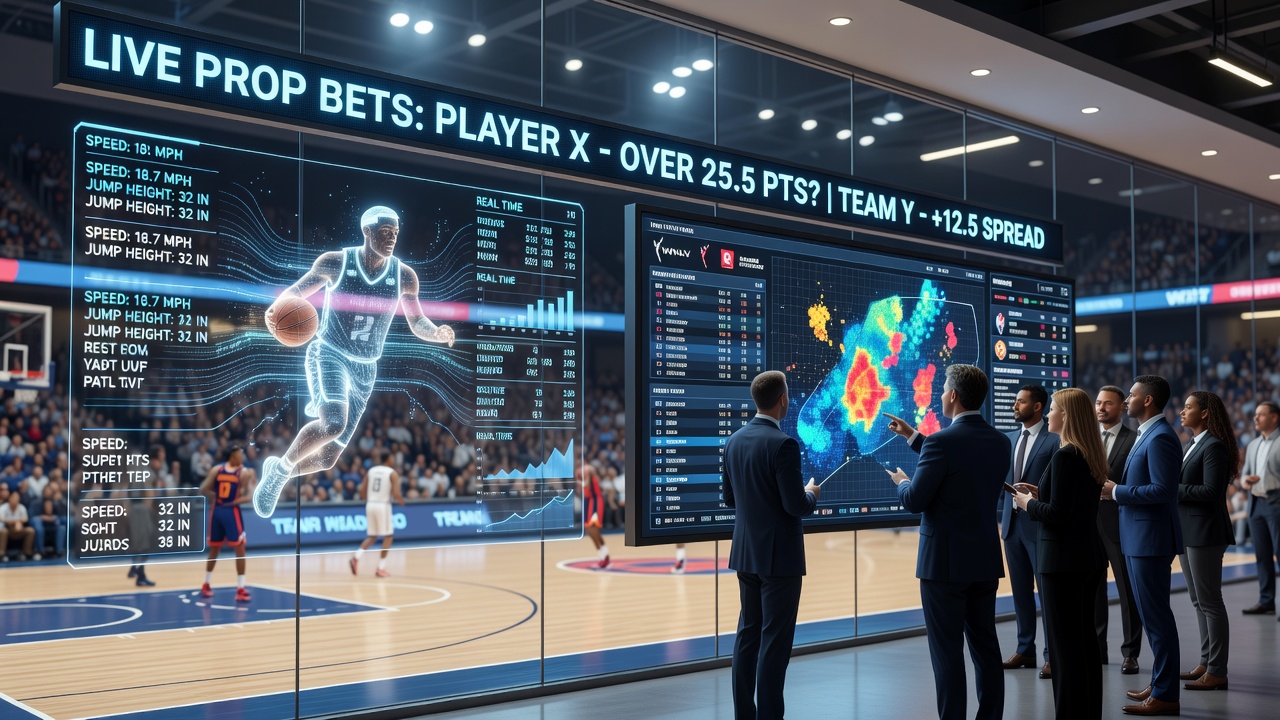
Player tracking systems have become central to how major basketball leagues generate granular performance data that directly feeds into live prop betting markets. These technologies rely on optical cameras and sensor arrays positioned throughout arenas to record player positions, velocities, and interactions at frequencies exceeding 25 times per second. The resulting datasets allow operators to adjust in-game prop lines on metrics such as shot attempts within specific court zones, defensive contest rates, and transition efficiency values that were previously unavailable during active play. Major leagues including the NBA, EuroLeague, and Australia's NBL adopted standardized tracking protocols at different stages yet converged on similar data pipelines by 2025. Optical systems capture coordinates that feed into centralized analytics platforms where algorithms calculate derived statistics like expected points added per possession and fatigue indicators based on distance covered at high speeds. Bettors encounter expanded prop menus that now include options such as a player exceeding a projected number of drives to the basket in the third quarter or recording a specific number of contested three-point attempts before halftime.Data Integration and Live Market Adjustments
Real-time data streams reach sportsbook risk engines within seconds of each play completion which enables dynamic recalibration of prop odds. When a player logs elevated sprint distances early in a contest the system may shift lines on related stamina-dependent props such as second-half rebound totals or assist rates. Leagues publish aggregated tracking reports that confirm these measurements align with official box scores while providing deeper layers unavailable through traditional scoring methods.
Research from academic institutions shows that zones with higher tracking accuracy correlate to tighter variance in live prop settlement outcomes. One university-led analysis of EuroLeague matches documented how defensive rotation data reduced discrepancies between projected and actual block rates by measurable percentages. Operators incorporate these refinements to maintain balanced books across thousands of simultaneous in-game wagers.League-Specific Implementations
The NBA maintains the most extensive tracking archive spanning multiple seasons which supports prop markets on advanced metrics including hustle points and secondary assists. EuroLeague competitions apply similar camera arrays yet emphasize European player movement patterns that influence regional betting offerings. Australia's NBL integrated portable tracking units in 2024 allowing smaller venues to contribute standardized data that operators now use for international prop crossovers.
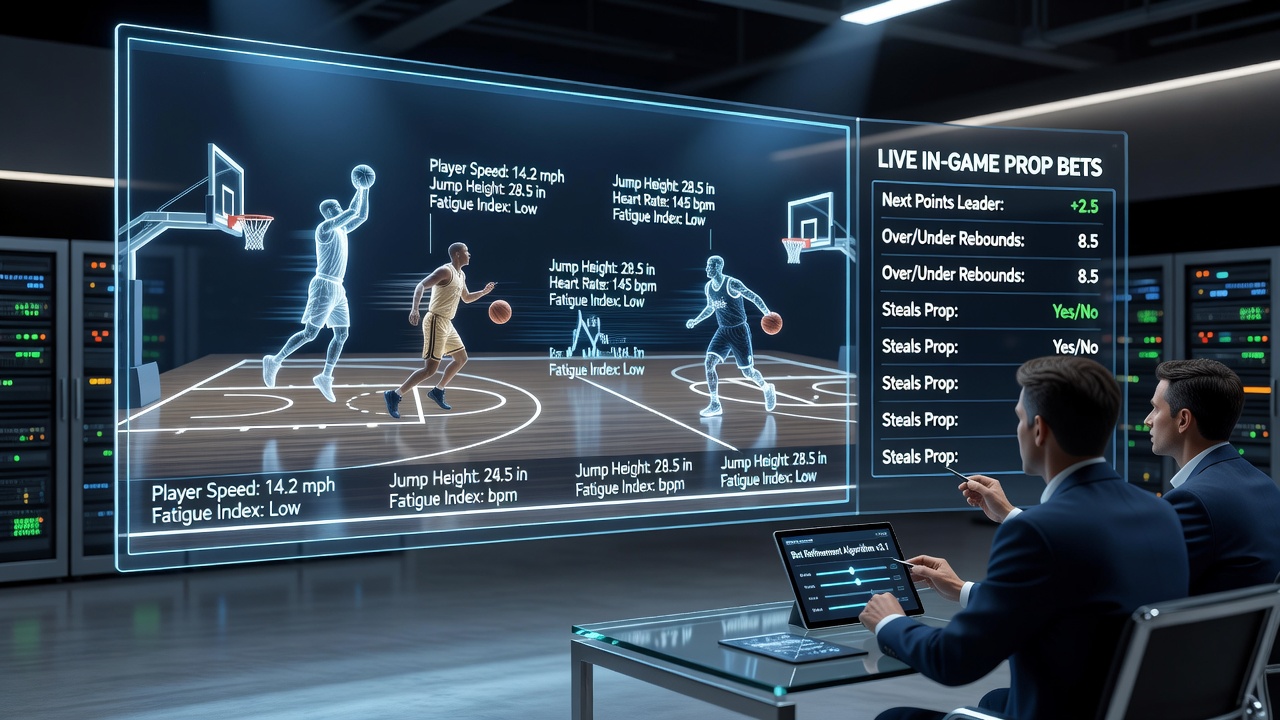 Figures from league technology partners reveal that average tracking coverage reached 98 percent of game minutes across top divisions by mid-2026. This coverage supports prop categories such as paint touches per minute and transition decision rates that update continuously during broadcasts. Platforms display these evolving numbers alongside betting interfaces so participants can monitor shifts tied directly to on-court positioning data.
Prop Category Expansion
In-game prop menus have grown to include micro-categories derived from spatial data such as corner three-point attempts after defensive rotations or high-post entry passes completed before the shot clock expires. These options draw from historical tracking baselines adjusted by current-game variables like opponent defensive schemes and player substitution patterns. Regulatory bodies in multiple jurisdictions require operators to document how tracking inputs influence line movements which adds transparency layers to live wagering systems.
Data aggregation occurs through secure league-controlled repositories that feed anonymized feeds to licensed betting partners. This structure allows continuous refinement of prop models without exposing individual player identities beyond what appears in public box scores. Observers note that settlement accuracy for tracking-derived props improved steadily as calibration protocols matured across seasons.Conclusion
Player tracking technology supplies the foundational datasets that enable major basketball leagues to support increasingly detailed in-game prop offerings. Optical and sensor systems generate positional information that algorithms convert into actionable statistics for live market adjustments. Leagues continue to expand coverage standards while operators integrate verified data streams that maintain settlement consistency across expanded prop selections. As of July 2026 these systems operate within established compliance frameworks that link raw movement metrics to transparent betting outcomes across NBA, EuroLeague, and NBL competitions.