The Emergence of Quantum Computing Applications in Enhancing Randomness Verification for Online Gaming Systems
Freya Frank · Jun 28, 2026
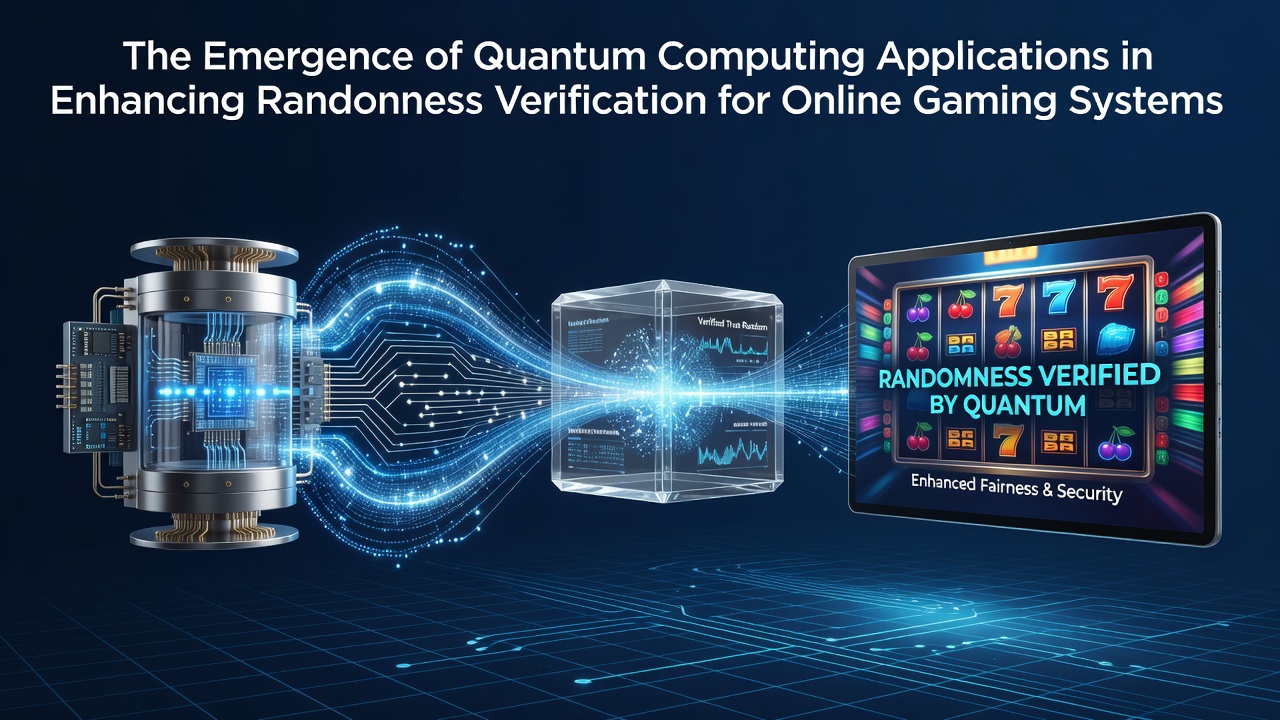
The Emergence of Quantum Computing Applications in Enhancing Randomness Verification for Online Gaming Systems
Quantum computing has started reshaping how online gaming platforms handle randomness verification, moving beyond traditional algorithms toward systems that leverage quantum mechanics for generating and checking unpredictable sequences. Operators in the sector now examine these tools because they address limitations in classical pseudorandom number generators that rely on deterministic processes, which can introduce patterns detectable through advanced statistical analysis. Research from institutions like NIST highlights how quantum random number generators produce outputs based on physical phenomena such as photon behavior, delivering entropy levels that exceed those achievable with software-based methods alone.
Classical Limitations and Quantum Alternatives
Traditional randomness verification in gaming systems depends on algorithms seeded by system clocks or hardware events, yet these approaches remain vulnerable to prediction when attackers gain access to internal states or employ sophisticated modeling techniques. Data from multiple industry audits shows that classical generators sometimes fail certain dieharder test suites under prolonged scrutiny, prompting developers to seek supplementary layers of unpredictability. Quantum alternatives, by contrast, harness superposition and entanglement to create bit streams where each outcome remains fundamentally independent of prior results, and this property allows verification protocols to confirm integrity without relying solely on post-processing checks.
Engineers integrate quantum hardware modules into server architectures through hybrid setups that combine classical oversight with quantum entropy sources, and such configurations permit real-time sampling during gameplay sessions. Studies conducted at various research centers indicate that these modules reduce the window for potential exploitation because any attempt to reverse-engineer the sequence encounters the no-cloning theorem, which prevents perfect copying of unknown quantum states. Observers note that adoption rates climbed steadily through early 2026 as hardware costs declined and integration toolkits matured for enterprise deployment.
Verification Protocols in Gaming Environments
Verification processes now incorporate quantum key distribution techniques alongside standard statistical batteries to cross-validate outputs before they influence game outcomes such as card shuffles or slot reel positions. Platforms apply continuous monitoring loops that sample quantum-generated sequences at intervals measured in milliseconds, comparing them against expected distributions derived from quantum theory rather than algorithmic approximations. When discrepancies arise, automated systems flag the session and trigger fallback mechanisms that draw from backup entropy pools until the primary quantum channel stabilizes again.
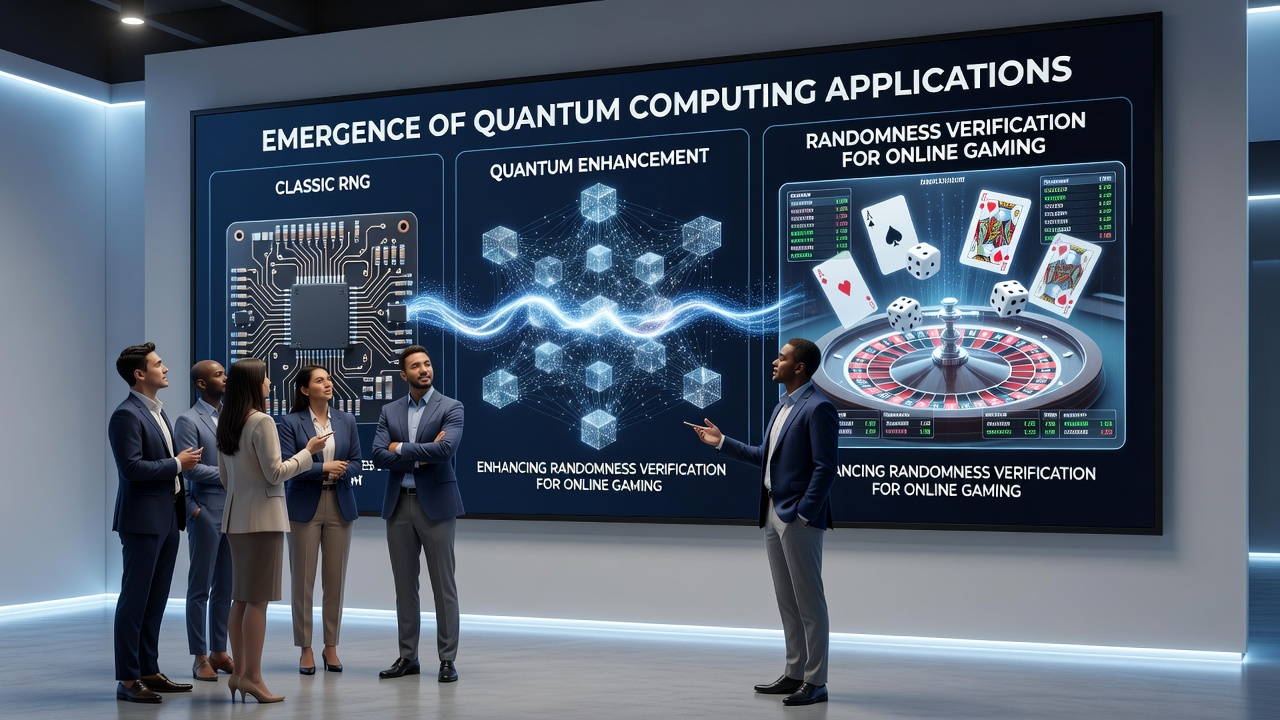
Regulatory frameworks in several jurisdictions require documented proof that randomness sources meet minimum entropy thresholds, and quantum-enhanced systems supply audit trails that include raw quantum measurements alongside processed results. In June 2026, updates to compliance guidelines in North American and European markets began referencing quantum-specific metrics such as min-entropy estimates derived from Bell inequality tests, which provide stronger assurances than classical chi-square evaluations alone. Gaming operators therefore document these additional parameters during licensing renewals to demonstrate adherence to evolving technical standards.
Implementation Across Global Networks
Multiple platform providers have begun pilot programs that embed quantum random number generators into live dealer environments and multiplayer simulation engines, where thousands of concurrent users depend on simultaneous independent sequences. These deployments often route verification requests through dedicated quantum channels that operate alongside existing network infrastructure, minimizing latency while maintaining cryptographic separation between game logic and entropy sources. Reports from collaborative projects between academic groups and gaming technology firms reveal that such architectures maintain sub-10-millisecond response times even during peak traffic periods, supporting seamless player experiences without compromising security layers.
One study revealed that platforms incorporating quantum verification experienced measurable reductions in dispute resolution times because independent third-party auditors could replicate quantum-derived test vectors more reliably than those based on proprietary classical algorithms. Cross-border operators coordinate these implementations through shared certification bodies that standardize reporting formats, allowing regulators in different regions to compare performance data consistently. The reality is that quantum integration requires specialized personnel trained in both quantum information theory and gaming software development, leading many companies to form partnerships with physics laboratories rather than building internal expertise from scratch.
Challenges and Ongoing Developments
Scalability remains a primary concern because current quantum devices often operate under strict environmental controls that complicate deployment across distributed data centers serving global audiences. Error rates in quantum measurements necessitate error-correction overhead that increases computational load, although recent advances in superconducting qubit stability have narrowed this gap. Industry organizations track these metrics through annual benchmarking exercises that compare quantum and classical systems side by side under simulated attack scenarios, providing operators with quantitative guidance on when migration becomes advantageous.
Supply chain considerations also influence rollout timelines, since specialized components originate from a limited number of manufacturers concentrated in specific geographic areas. Those who've studied deployment patterns note that phased integration strategies help mitigate risks by allowing operators to maintain classical backups while gradually shifting verification workloads to quantum modules. Continued progress through mid-2026 suggests that standardized interfaces will soon simplify connections between quantum hardware and existing gaming management systems, reducing custom engineering requirements for smaller operators.
Conclusion
Quantum computing applications continue to expand within randomness verification frameworks for online gaming, delivering measurable improvements in entropy quality and audit transparency. As hardware accessibility increases and regulatory expectations evolve, more platforms incorporate these technologies into their core operations. The combination of quantum-generated sequences with established statistical testing creates verification pipelines that address longstanding vulnerabilities while supporting the high transaction volumes characteristic of modern gaming networks.