Tracing the Adaptation of Payout Verification Processes in Response to Emerging Digital Currency Regulations on International Betting Platforms
Finley Carter · Jun 12, 2026
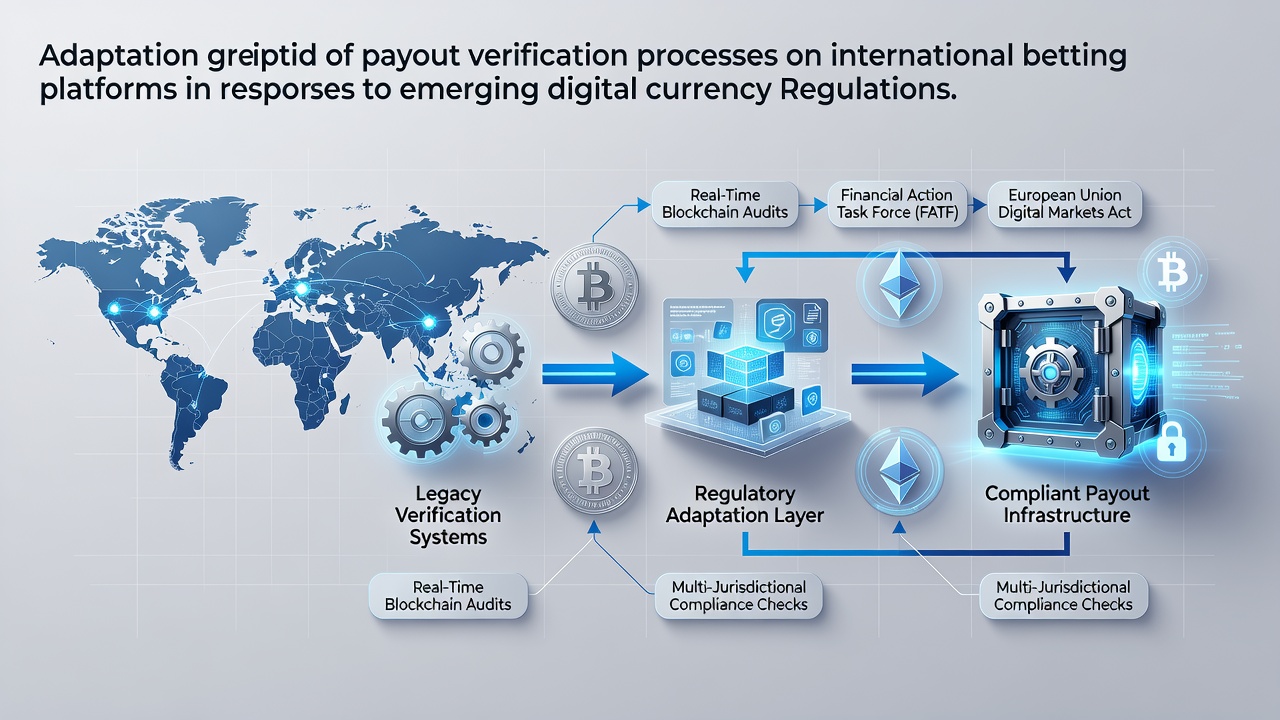
Tracing the Adaptation of Payout Verification Processes in Response to Emerging Digital Currency Regulations on International Betting Platforms
International betting platforms have adjusted payout verification procedures as digital currency regulations continue to develop across multiple jurisdictions, and these changes reflect broader efforts to align transaction monitoring with anti-money laundering standards that apply to cryptocurrency flows.
Regulatory Developments Shaping Verification Requirements
Authorities in various regions have introduced frameworks that require platforms to verify the origin and destination of digital asset transfers before releasing funds, and data from regulatory bodies indicate that such measures aim to reduce risks associated with anonymous wallet activity. Platforms operating across borders now incorporate wallet screening tools that cross-reference transaction histories against known sanction lists, while operators integrate automated alerts for patterns that exceed thresholds set by local financial intelligence units.
Observers note that the European Commission's Markets in Crypto-Assets framework has prompted several platforms to expand their compliance teams, and similar steps appear in other markets where digital asset rules emphasize customer due diligence at the point of withdrawal. Those who've examined compliance reports find that verification layers often combine traditional identity checks with blockchain analytics that trace fund movements through multiple addresses.
Platform-Level Adjustments to Payout Workflows
Betting sites have introduced multi-stage approval sequences for crypto withdrawals, and these sequences typically begin with an initial address validation followed by a risk scoring process that evaluates transaction velocity and wallet age. Staff at larger operators review flagged cases manually when automated systems detect connections to mixers or high-risk exchanges, yet most routine payouts now clear within expanded timeframes that accommodate the additional checks.
Research indicates that platforms serving users in multiple countries maintain separate verification queues based on the user's registered jurisdiction, and this segmentation allows teams to apply the strictest applicable rules without delaying payouts for users in less restrictive regions. Data shows increased use of travel rule-compliant messaging systems that share originator and beneficiary information between sending and receiving entities during larger transfers.
Technological Tools Supporting Compliance
Operators have adopted software that parses blockchain data in real time, and these systems flag addresses linked to previous illicit activity while also monitoring for clustering behaviors that might suggest coordinated accounts. Integration of such tools occurs alongside existing payment processors, creating a combined pipeline where fiat and crypto pathways undergo parallel scrutiny before final approval.

Studies from academic research groups highlight that machine learning models trained on historical transaction datasets improve detection rates for suspicious patterns, and platforms that deployed these models report fewer manual interventions for low-risk users. In June 2026 certain jurisdictions plan to enforce updated reporting thresholds that will require platforms to submit aggregated data on crypto payouts exceeding specified amounts, prompting further refinements to internal dashboards.
Regional Differences in Implementation
Platforms licensed in Asia-Pacific markets often align verification steps with guidelines from monetary authorities that emphasize source-of-funds declarations for digital assets, whereas operators focused on North American users follow directives that prioritize wallet whitelisting and periodic re-verification. European platforms meanwhile coordinate with financial intelligence units to share patterns observed across borders, creating feedback loops that influence how quickly new risk indicators enter automated systems.
Case examples documented by industry associations show that some operators reduced average payout times after centralizing compliance functions, while others extended review periods temporarily during the rollout of new screening protocols. Those monitoring these shifts record that smaller platforms sometimes partner with third-party compliance providers to access the same analytical capabilities used by larger competitors.
Conclusion
Adaptations in payout verification continue as regulators refine digital currency rules, and international betting platforms respond by layering additional checks that draw on both traditional identity processes and blockchain-specific analytics. Evidence from multiple markets suggests these changes will persist as new reporting requirements take effect, with platforms maintaining flexible systems that accommodate jurisdiction-specific demands while processing withdrawals across diverse user bases.